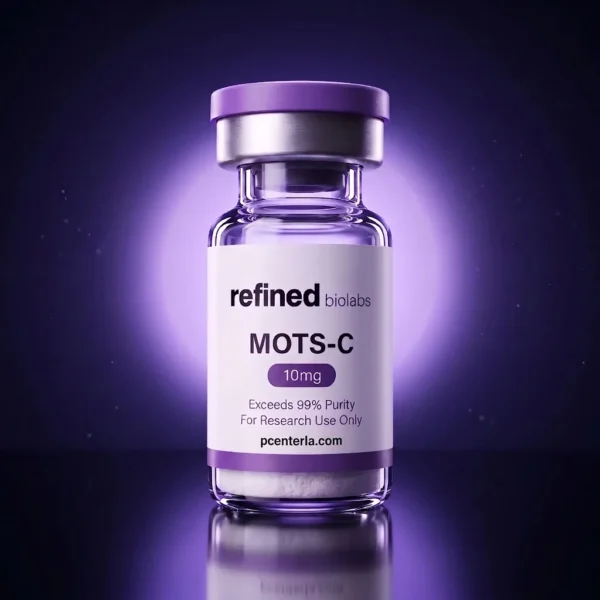
MOTS-C (retatrutide) represents one of the most advanced compounds currently studied in the metabolic peptide space. Unlike classic GLP-1 receptor agonists or dual GIP/GLP-1 agonists, GLP3-RT (mots-c) is engineered as a single-molecule triple agonist that engages three key receptors at once: the glucagon-like peptide-1 (GLP-1) receptor, the glucose-dependent insulinotropic polypeptide (GIP) receptor, and the glucagon receptor. This multi-receptor profile has generated significant scientific interest because it combines appetite regulation and glucose control with enhanced energy expenditure and potential reductions in liver fat content. In the research community, the informal label “GLP3-RT” (mots-c) or “GLP-3” has become common shorthand for this investigational molecule developed by Eli Lilly under the code LY3437943.
Phase 2 clinical data published in the New England Journal of Medicine reported mean body-weight reductions of up to 24.2% at the highest tested dose over 48 weeks, along with notable improvements in metabolic markers. Subsequent Phase 3 TRIUMPH program results have continued to demonstrate robust efficacy signals in adults with obesity, including substantial average weight loss, glycemic benefits in those with type 2 diabetes, and positive effects on related conditions such as knee osteoarthritis pain and obstructive sleep apnea in relevant subgroups. These findings position retatrutide as a compound of high research value for laboratories investigating next-generation approaches to cardiometabolic health. It is important to note that retatrutide remains investigational and is not approved by the FDA or any regulatory authority for human use.
For researchers seeking consistent, high-quality material, research-grade GLP3-RT (mots-c) is supplied as a lyophilized peptide powder, typically available in 10 mg, 20 mg, or larger vial sizes. Reputable suppliers provide third-party HPLC purity verification (often ≥99%), Certificates of Analysis, and proper storage recommendations (usually −20°C for long-term stability). The peptide is intended exclusively for laboratory research, in-vitro assays, and preclinical studies. It is not for human or veterinary use, and any commercial product sold under the GLP3-RT name is research chemical material, not the pharmaceutical-grade investigational drug under clinical development.
Choosing the right source for GLP3-RT (mots-c) matters. Look for transparent testing, batch-specific documentation, and clear research-only labeling. Whether your work focuses on receptor binding studies, metabolic pathway analysis, or comparative peptide research against mono- and dual-agonists, high-purity GLP3-RT offers a powerful tool for advancing scientific understanding of triple-agonist biology. Explore our selection of laboratory-tested GLP3-RT today and support your research with material backed by rigorous quality controls. Always handle research peptides according to institutional safety protocols and applicable regulations.

Reviews
There are no reviews yet.